

Selecting the right Ford Transit T8 ICU Ambulance is a critical decision for hospitals, emergency medical service providers, and fleet managers.
The ideal vehicle should deliver dependable performance, advanced life-support capability, and long-term value while meeting the demands of emergency response. However, comparing technical specifications, equipment options, and ownership costs can be challenging.
This guide explains the essential features, purchasing considerations, and operational benefits of the right ICU ambulance, helping healthcare organizations make informed decisions based on patient care requirements, budget, and fleet efficiency.

Table of Contents
What Is an ICU Ambulance?
The Ford Transit T8 ICU Ambulance is a specialized emergency medical vehicle designed to provide advanced patient care during transport. Built on the reliable Ford Transit T8 chassis, it provides sufficient interior space for medical personnel and intensive care equipment while maintaining excellent maneuverability in both urban and rural environments.
Compared with standard patient transport vehicles, an ICU ambulance supports advanced life support (ALS) functions, enabling medical teams to stabilize critically ill or injured patients before they arrive at the hospital.
Common applications include:
- Hospital emergency response
- Interfacility critical care transport
- Emergency medical services (EMS)
- Disaster and rescue operations
- Long-distance patient transportation
Key Features of a Modern ICU Ambulance
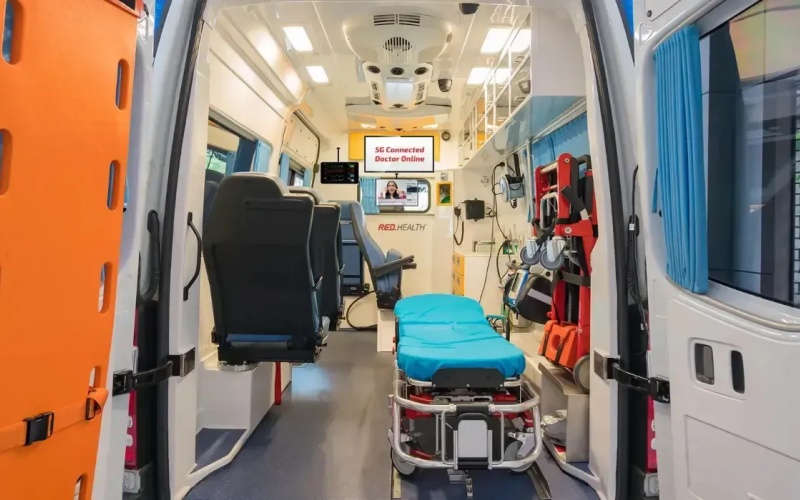
A modern ICU ambulance is more than a vehicle. It functions as a mobile intensive care unit equipped to deliver continuous treatment during transit.
Typical features include:
- Spacious medical cabin with ergonomic layout
- Advanced stretcher loading system
- Medical oxygen supply system
- Ventilator compatibility
- Cardiac monitor and defibrillator mounting
- Infusion pump brackets
- LED medical lighting
- Independent air conditioning and heating
- Medical-grade electrical system
- Large storage compartments for emergency supplies
These features improve operational efficiency while helping medical teams deliver high-quality patient care under emergency conditions.
Is Ford Transit T8 ICU Ambulance a Smart Long-Term Investment?
The short answer is yes—but only with the right platform. For hospitals and EMS operators, the real cost isn’t the purchase price; it’s the total cost of ownership over a decade of service. That’s why more fleet managers are choosing the Ford Transit T8—not for its sticker price, but for its reliability, serviceability, and long-term fuel efficiency.
1. Excellent Driving Performance
The Transit T8 chassis delivers smooth handling, responsive steering, and strong braking performance, helping ambulance crews respond quickly in emergencies.
2. Spacious Interior
The medical cabin provides sufficient room for doctors, nurses, and life-support equipment without compromising patient comfort.
3. Reliable Powertrain
Its proven engine and transmission contribute to dependable long-term performance while minimizing maintenance downtime.
4. Flexible Interior Customization
The vehicle can be configured according to regional regulations and customer requirements, allowing different layouts for hospitals, ambulance providers, and government agencies.
5. Safety Features and Compliance
Patient and crew safety is a top priority in every emergency vehicle. The ICU Ambulance is built with a reinforced body structure, secure medical equipment mounting, and professionally designed seating to provide a safe and stable environment during emergency transport.
The vehicle features a high-strength chassis, electrical protection systems, and secure anchor points for stretchers and medical equipment to reduce movement during transit. Depending on customer requirements and destination markets, the ambulance can also be configured to comply with applicable local or international emergency vehicle regulations and safety standards.
4×4 ICU Ambulances for Challenging Environments

In regions with difficult terrain, heavy snowfall, or remote communities, 4×4 ICU ambulances provide greater mobility than standard two-wheel-drive models.
Benefits include:
- Improved traction on rough roads
- Better stability during adverse weather
- Enhanced off-road capability
- Reliable access to remote healthcare facilities
- Increased operational flexibility during rescue missions
Organizations serving mountainous, desert, or rural areas often consider four-wheel-drive ambulances an important investment.
Standard & Optional Medical Configurations
Depending on customer requirements and local regulations, a Ford Transit T8 ICU Ambulance may include:
- Multi-parameter patient monitor
- Defibrillator
- Mechanical ventilator
- Suction unit
- Oxygen cylinders
- Infusion pump
- Spine board
- Scoop stretcher
- Emergency medicine cabinet
- UV disinfection system
- Negative pressure system (optional)
The final configuration depends on the intended clinical application and national ambulance standards.
ICU Ambulance Price and Cost Considerations
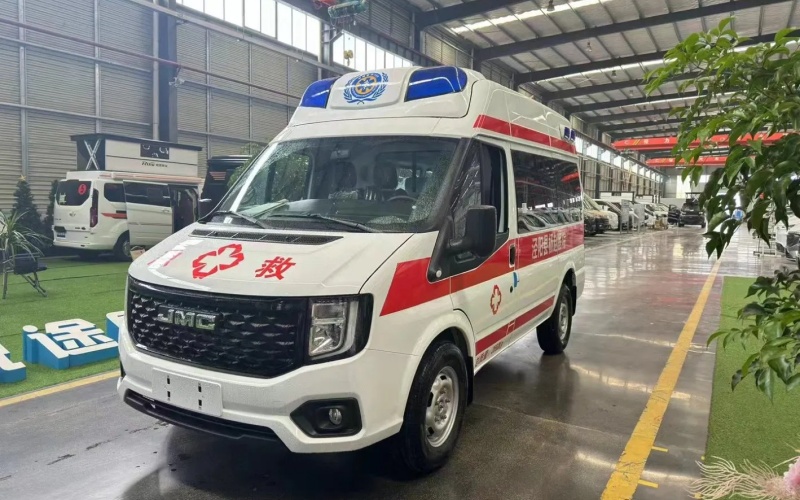
Understanding the ambulance price involves much more than comparing the initial purchase cost. Buyers should evaluate the complete lifecycle value of the vehicle.
Several factors influence the ICU ambulance cost, including:
- Chassis configuration
- Medical equipment selection
- Interior customization
- Electrical systems
- Communication equipment
- Safety features
- Local certification requirements
Many fleet managers also compare the ambulance price across different manufacturers to determine the best balance between equipment level, durability, and long-term maintenance expenses.
Rather than focusing solely on the lowest purchase price, organizations should evaluate reliability, service support, spare parts availability, and total cost of ownership.
Conclusion
Choosing the right ambulance is about more than selecting a vehicle—it is about ensuring reliable emergency care, protecting medical staff, and improving patient outcomes. The Ford Transit T8 ICU Ambulance offers a practical combination of performance, flexibility, and advanced medical capability for modern healthcare operations.
Ready to Upgrade Your Emergency Response Fleet?
Contact us to discuss your project, request detailed specifications, receive a customized quotation, or learn more about the most suitable solution for your hospital, EMS fleet, or emergency medical service requirements.
Frequently Asked Questions
What is the Ford Transit T8 ICU Ambulance used for?
It is designed for emergency response, inter-hospital patient transfers, and critical care transportation for hospitals, EMS providers, and private ambulance operators.
Do you offer 4×4 ambulances?
Yes. We offer 4×4 ICU ambulances for customers operating in mountainous, rural, snowy, or other challenging environments where improved traction and mobility are required.
What affects ICU ambulance price?
The ambulance price depends on the chassis, medical equipment, interior configuration, optional features, and local certification requirements.
Can the ambulance be customized?
Yes. The Ford Transit T8 ICU Ambulance can be customized with different medical equipment, interior layouts, storage systems, and optional features to meet your operational needs.
