

When evaluating refrigerated trucks for sale, most buyers focus on the price tag and the brand of the refrigeration unit. That’s a reasonable start—but it’s not where the real decision lies.
Based on our experience selling thousands of refrigerated trucks, a wise investment versus a costly mistake comes down to three overlooked parameters: the compressor’s cycle ratio at design ambient, the integrity of the moisture barrier in the insulation, and the chassis’s ability to handle the combined load of payload and reefer equipment under real road conditions.
This guide breaks down BTU/h ratings, insulation densities, and total cost of ownership. We skip the marketing fluff. You get a mechanical checklist for evaluating any refrigerated box truck for sale. Use this data to make a confident, cost-effective decision for your fleet.

Table of Contents
Specs That Affect Daily Performance
The refrigeration unit is your cargo’s lifeline. Do not overlook its capacity, measured in BTU/h. Match this number to your typical load temperature and ambient climate. A unit that runs at 100% capacity all day will fail early.
Insulation quality ranks second. Look for polyurethane foam with a minimum density of 48 kg/m³, with 50 kg/m³ preferred for frozen cargo transportation. Check the floor thickness—many cheap refrigerated trucks for sale have thin floors that warp under pallet loads. The door seal must create an airtight closure. Test it with a piece of paper; if the paper slides out easily, the seal is weak.
The chassis and engine determine daily running costs. Choose a diesel engine with a proven service network in your area. Inspect the alternator—it must supply power to both the drive motor and the refrigeration unit without voltage drop. For refrigerated box truck options for sale, verify the box-to-cab mounting bolts. Loose bolts cause vibration cracks in the refrigeration lines.
Cargo type dictates your refrigeration setup. Below is a quick reference for standard temperature settings and non-negotiable hardware requirements:
Recommended Configurations by Cargo Type
| Cargo Type | Set Temperature | Critical Requirements |
| Fresh produce & fruit | 34–38°F | Maintain high humidity; avoid excessively long defrost cycles |
| Frozen meat products | -10–0°F | High-displacement compressor; double-insulated floor |
| Pharmaceuticals & vaccines | 36–46°F (constant temperature) | Dual refrigeration unit redundancy + temperature data logger |
Total Cost of Ownership – Not Just the Sticker Price

List prices for refrigerated trucks for sale vary widely. A new 16-foot refrigerated box truck typically costs $50,000–$75,000 (2026 market pricing). Used units (5–7 years old) sell for 40–60% less, but budget an additional $4,000–$7,000 for immediate evaporator coil and expansion valve replacement—most sellers offload trucks right before these parts fail. A refrigerated truck for sale (10–12 feet) ranges from $30,000–$50,000. Used models cost 40–60% less, but always factor in a full compressor and evaporator inspection.
Beyond the base price, consider these mandatory add-ons:
- Dual-temperature zones – add $3,000–$5,000
- Liftgate – add $2,500–$4,000
- Telematics system – add $1,200–$2,000
- Extended warranty on the refrigeration unit – add $1,500–$3,000
For urban routes with idle restrictions, consider electric standby units—they add upfront cost but cut fuel consumption during loading/unloading.
Do not ignore the operating costs. A poorly insulated box (effective R-value below R-20) forces the reefer unit to run 20–30% longer per hour. Over 200,000 miles and 5 years, that extra runtime burns $8,500–$12,000 in additional diesel—enough to buy a completely new refrigeration unit halfway through the truck’s life. Over 100,000 miles, that difference equals $6,000–$9,000 in extra diesel. Always request fuel consumption data at the same ambient temperature (e.g., 95°F) to make a fair comparison.
Pre-Purchase Inspection Checklist (Engineer’s Version)
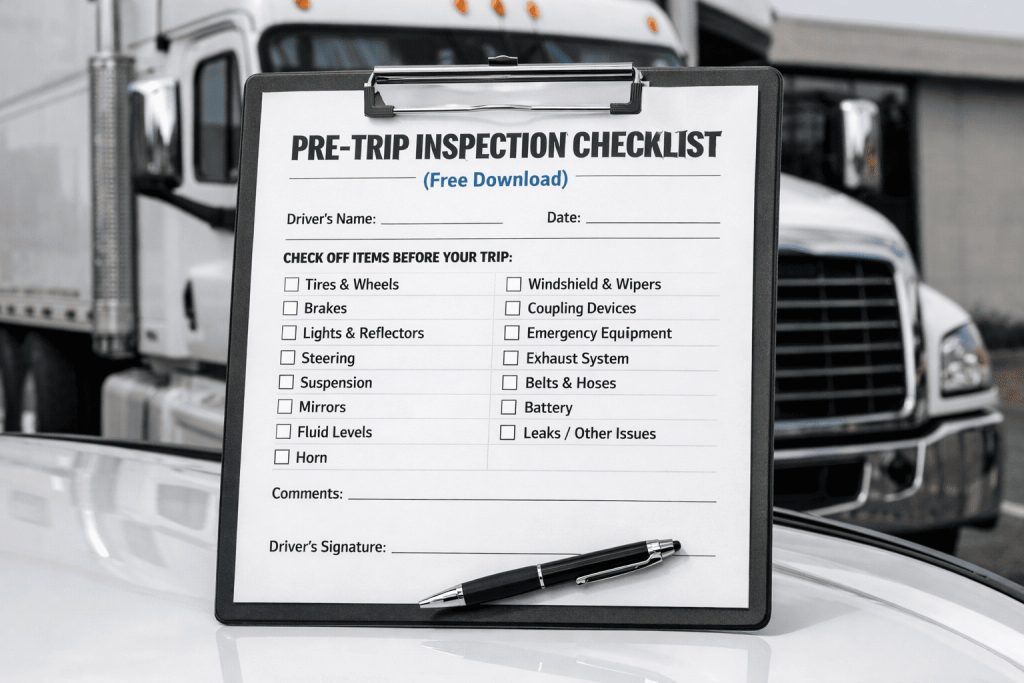
When you buy a refrigerated truck, follow this five-step verification process:
- Cold Soak Test – Set the unit to 0°F with the box empty. Record ambient temperature and time-to-temperature. Compare against the OEM performance curve (printed on the unit’s data plate). If pull-down takes 20% longer than spec, the system is either low on refrigerant or the condenser coil is fouled—both are expensive fixes.
- Leak check – Use an electronic halide leak detector on all fittings and valve cores.
- Oil analysis – Send a sample of the compressor oil to a lab. High acid numbers indicate internal wear.
- Service history – Request all maintenance logs. Look for regular belt replacements and condenser coil cleanings.
- Test drive with reefer on – Listen for bearing noise from the evaporator fan at highway speeds.
If you are wondering where to buy refrigerated box trucks, start with certified dealers who offer post-sale support. Avoid auction sites unless you have a mechanic on-site to inspect the unit before bidding. Many fleets sell their refrigerated trucks for sale directly—these often have complete maintenance records and are a safer bet.
What’s Next?
By now, you have what matters: the BTU/h rating that matches your load, the insulation density that resists moisture, and the chassis history that reveals hidden wear. You know that purchase price is just the entry fee—operating costs will overtake it within two years if you ignore cycle ratios and door seal integrity.
When you step onto the lot, don’t ask for brochures. Ask for the pull-down test data at 90°F ambient. Ask for the compressor oil analysis report. Ask for a 24-hour cold soak with your actual cargo inside. If the seller hesitates on any of these, you have your answer.
The right refrigerated box truck isn’t the cheapest or the most expensive—it’s the one that holds temperature without overworking, mile after mile, year after year.
Ready to secure a reliable refrigerated box truck for your fleet? Contact our engineering team!
Frequently Asked Questions
What is the average price for a new refrigerated box truck?
$45,000–$70,000 for a 16-foot model, depending on the refrigeration brand and insulation thickness.
Where can I find reliable refrigerated box trucks for sale near me?
Check authorized dealer networks and direct fleet sales—both offer verified service records.
What is the most important spec to check before buying?
The refrigeration unit’s BTU/h rating and the box’s insulation density—these decide long-term performance.
Can I use a refrigerated truck for frozen and chilled goods together?
Yes, but you need a dual-temperature system with separate evaporators and a divider wall.
How often should I service the reefer unit?
Every 500 engine hours or monthly—whichever comes first—to change oil and check the belt tension.
