

Choosing the right refrigerated truck size is about more than just picking the biggest cargo body. An oversized reefer truck burns unnecessary fuel, increases Total Cost of Ownership (TCO), and can be difficult to operate in city traffic. An undersized truck may force you to make more delivery runs and reduce your profit margin.
The best choice is a refrigerated vehicle that matches your cargo type, delivery routes, and future growth plans. Whether you need a compact refrigerated van for urban distribution or a 13.6-meter Refrigerated Trailer for long-haul transportation, selecting the right dimensions can make a major difference to your business.

Table of Contents
What Size Are Refrigerated Trucks?
There is no single standard reefer truck size for every application. The ideal dimensions depend on cargo volume, payload requirements, temperature needs, and operating conditions.
Most refrigerated vehicles can be divided into three main categories:
- Compact Reefer Vans
- Medium Refrigerated Box Trucks
- Large Reefer Trucks and Refrigerated Trailers
Compact Reefer Van Size: Small Refrigerated Vehicles for Urban Delivery
Compact reefer vans are designed for short-distance transportation and frequent delivery stops.
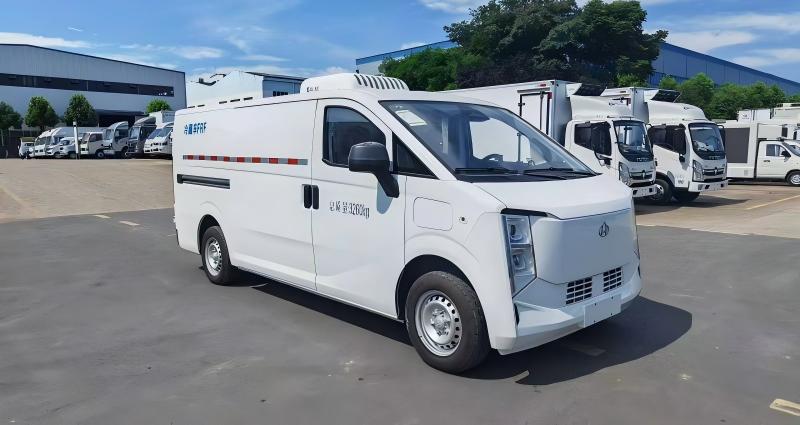
Typical Dimensions
- Cargo body length: 2-3.5 meters
- Cargo width: 1.5-1.8 meters
- Cargo height: 1.3-1.8 meters
- Capacity: 2-8 cubic meters
- Pallet capacity: 1-2 standard pallets
Ideal Use Cases
Compact refrigerated vans are commonly used for:
- Fresh food delivery
- Bakery products
- Restaurant supply
- Grocery distribution
- Pharmaceutical delivery
Why Choose a Compact Reefer Van?
A small refrigerated vehicle offers:
- Easy operation in crowded urban areas
- Lower fuel consumption
- Lower purchase cost
- Better flexibility for multiple delivery stops
For businesses handling smaller loads with frequent delivery runs, a compact reefer van often provides the best balance between efficiency and operating cost.
Medium Refrigerated Box Truck Size: The Flexible Distribution Solution
Medium-size refrigerated box trucks are popular for regional cold chain transportation because they provide more cargo space while keeping good road flexibility.
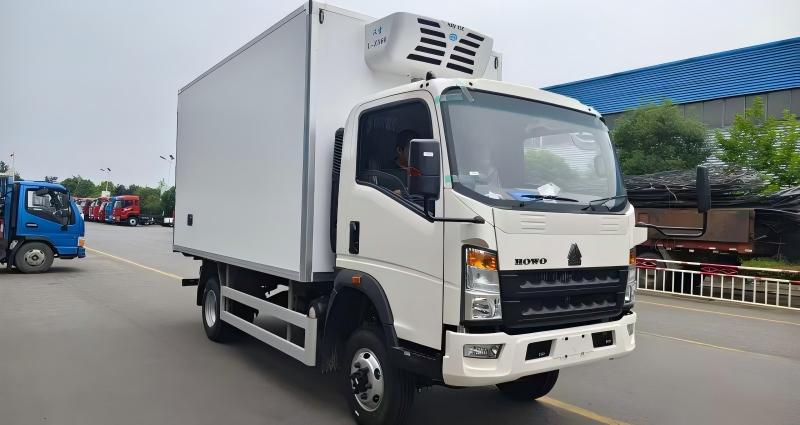
Typical Dimensions
- Cargo body length: 3.5-6 meters
- Cargo width: 1.8-2.2 meters
- Cargo height: 1.8-2.4 meters
- Capacity: 10-25 cubic meters
- Pallet capacity: 6-12 standard pallets
Ideal Use Cases
Medium refrigerated trucks are best suited for:
- Dairy product distribution
- Frozen food delivery
- Supermarket supply
- Regional warehouse transportation
Why Choose a Medium Refrigerated Truck?
Compared with compact vehicles, medium trucks provide:
- Higher loading efficiency
- More cargo volume
- Better cost efficiency for daily distribution
They are a practical choice for companies that need more capacity but do not require a full-size trailer.
Large Reefer Truck Size: High-Capacity Refrigerated Transportation
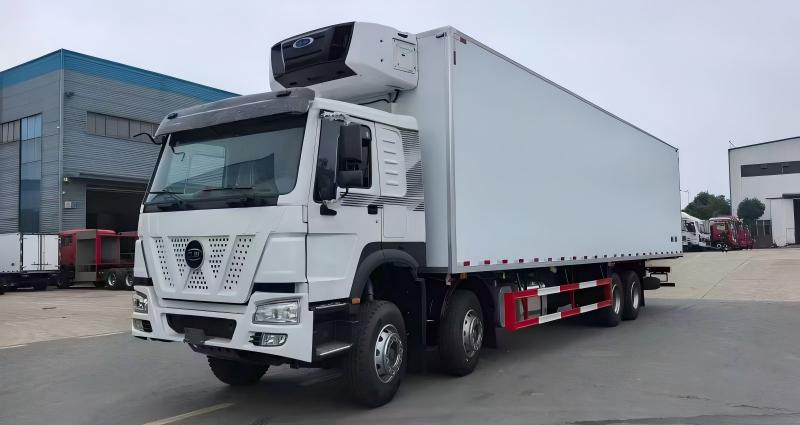
Large reefer trucks and refrigerated trailers are designed for high-volume transportation and long-distance logistics.
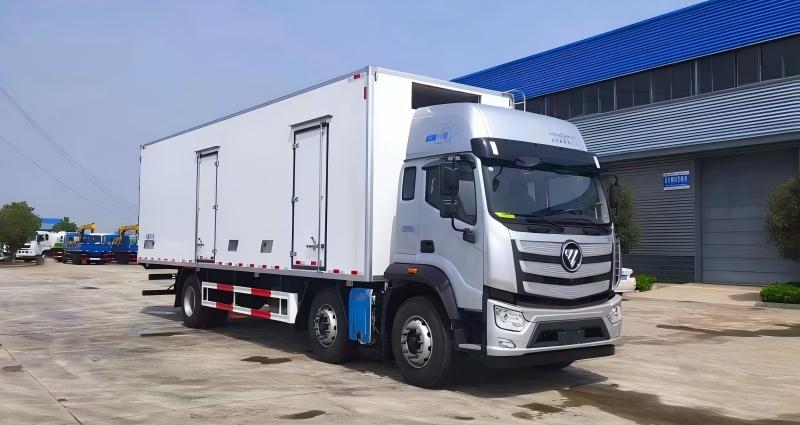
Typical Dimensions
- Cargo body length: 6-13.6 meters
- Cargo width: 2.3-2.5 meters
- Cargo height: 2.3-2.8 meters
- Capacity: 30-90+ cubic meters
- Pallet capacity: 14-26+ standard pallets
Ideal Use Cases
Large refrigerated trailers are commonly used for:
- Long-haul cold chain transportation
- Meat and seafood logistics
- Frozen food transportation
- Distribution center operations
Why Choose a Large Reefer Truck?
Large refrigerated vehicles help companies:
- Transport more goods per journey
- Reduce transportation cost per unit
- Improve fleet efficiency
For high-volume cold chain operations, a properly configured refrigerated trailer can significantly improve profitability.
How to Choose the Right Refrigerated Truck Size?
Selecting the correct refrigerated truck size requires more than checking the cargo volume. The vehicle must match your products, routes, and operating conditions.
1. Match the Truck Size With Your Cargo Volume
Start with your actual daily transportation needs.
Consider:
- How many pallets do you move per day?
- What is your average cargo weight?
- Are your deliveries full loads or mixed orders?
A larger refrigerated truck does not always mean higher profits. If the cargo body is only half full most of the time, the additional fuel and maintenance costs may reduce your return.
2. Consider Your Cargo Type and Temperature Requirements
Different products require different loading solutions.
Fresh Food
Fresh products usually require:
- Fast loading and unloading
- Easy access
- Flexible storage arrangement
For some applications, multi-temperature zones can provide better efficiency by allowing different products to be transported together.
Frozen Products
Frozen goods usually require:
- Stable low temperatures
- Longer refrigeration operation
- Higher insulation performance
Large reefer trucks are often preferred for frozen food logistics.
Pharmaceutical Products
Pharmaceutical transportation requires:
- Precise temperature control
- Reliable refrigeration systems
- Careful space planning
The vehicle size should match both cargo volume and temperature control requirements.
3. Consider Your Delivery Routes
The right size depends heavily on where the vehicle operates.
Urban Distribution
Recommended:
- Compact reefer vans
- Small refrigerated trucks
Benefits:
- Easier parking
- Better maneuverability
- Lower TCO
Regional Transportation
Recommended:
- Medium refrigerated box trucks
Benefits:
- Balanced capacity
- Suitable for daily delivery routes
Long-Haul Transportation
Recommended:
- Large reefer trucks
- Refrigerated trailers
Benefits:
- Maximum cargo capacity
- Lower cost per delivery run
Common Mistakes When Choosing Refrigerated Truck Dimensions
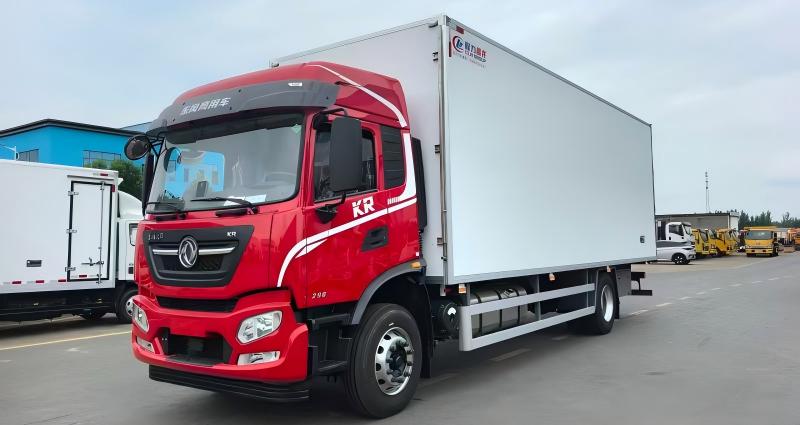
Choosing Too Large a Refrigerated Truck
Problems:
- Low loading rate
- Higher running costs
- Difficult urban operation
Choosing Too Small a Refrigerated Truck
Problems:
- More delivery trips
- Lower efficiency
- Limited business growth
Ignoring Chassis and Cargo Body Matching
The refrigerated cargo body, cooling system, and chassis must work together.
Common mistakes include:
- Installing an oversized insulated box on an unsuitable chassis
- Selecting a refrigeration unit without considering cargo volume
- Ignoring axle load limitations
Properly matched chassis and cargo bodies improve safety, reliability, and long-term operating efficiency.
What’s Next: Find the Refrigerated Truck Size for Your Business
Selecting the right refrigerated truck size is an important investment decision. The best choice is not always the biggest vehicle, but the one that matches your cargo volume, delivery routes, and operating budget.
From compact refrigerated vans and reefer vans to medium refrigerated box trucks and large refrigerated trailers, every vehicle type has its ideal application.
A properly sized refrigerated truck can reduce costs, improve delivery efficiency, and help your business achieve better profits.
Contact our team today to discuss your cargo requirements and get a customized refrigerated truck size recommendation for your business.
