

Many municipal departments and sanitation contractors place orders for compactor garbage trucks, yet quite a few end up facing costly troubles due to common compactor garbage truck buying mistakes. Poor configuration matching, blind pursuit of low prices, ignoring import certification, and overlooking local road conditions often lead to underperforming vehicles, port detention, or frequent breakdowns.
This article sorts out these typical mistakes from real-world export cases, helping global buyers avoid unnecessary losses when sourcing compactor garbage trucks.

Table of Contents
5 Compactor Garbage Truck Buying Mistakes That Drain Your Budget
Mistake 1: Only Focus on Low Price While Ignoring Core Hydraulic Assembly
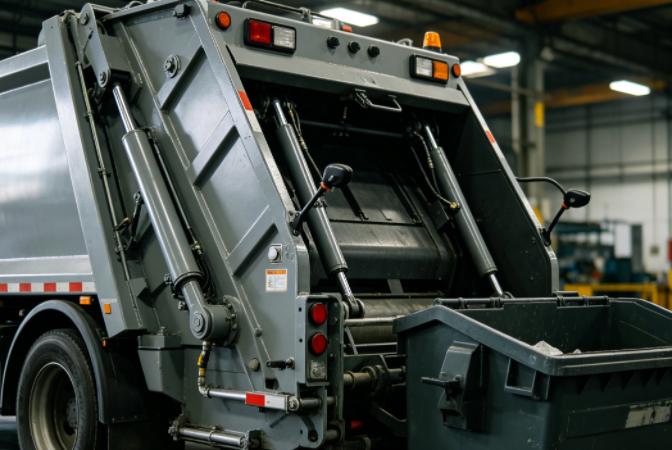
Many buyers simply compare prices without checking the hydraulic components. Cheap, inferior hydraulic kits bring frequent jamming, slow compaction, and oil leakage. For daily heavy‑duty municipal operations, low‑cost hydraulic parts lead to high maintenance costs and long-term downtime. It is unwise to save costs on the core compaction system.
Mistake 2: Confusing Nominal Compactor Garbage Truck Tank Volume With Actual Usable Capacity
Suppliers may mark a large nominal tank volume, while the real effective compaction space is reduced by internal unreasonable structural design. You cannot rely on the data on the quotation sheet. Confirm actual compaction ratio and effective loading volume before ordering, instead of relying on surface volume parameters.
Mistake 3: Neglect Local Road Condition & Street Width
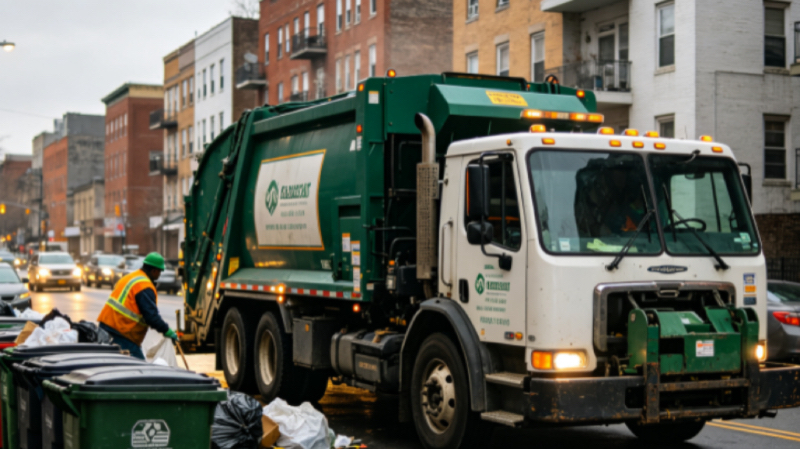
Some buyers order over‑large compactor trucks without considering narrow old streets and narrow community access. Oversized vehicles cannot enter residential blocks, which greatly reduces working efficiency. Vehicle overall dimensions, turning radius, and chassis height should match local urban road reality.
Mistake 4: Ignoring Import Certification & Customs Clearance Documents
Different countries require different certification files. Skipping requirements for COC, GCC, SASO, or EAC documents will result in cargo being held at port, generating huge demurrage charges and delaying the whole sanitation project. Confirm the certification list at the early inquiry phase.
Mistake 5: Not Clarifying After‑sales & Spare‑parts Supply
Overseas after‑sales support matters a lot. Many buyers only focus on vehicle delivery, without confirming a wearable spare‑parts package, operation manuals, and remote technical guidance. Once parts break in remote cities, the local market cannot find matching replacements, and the whole fleet stops working.
Practical Tips to Avoid Compactor Garbage Truck Purchasing Pitfalls
- Clarify your real‑world working scenarios: Inform the manufacturer about street width, waste type, daily working hours, and local climate, so the factory can recommend matched chassis and upper‑body structure.
- Confirm all required documents before production: Make clear which certificates are needed for import clearance, write related requirements into the PI, and avoid later document disputes.
- Verify key components instead of only comparing unit price: Ask supplier to list brand information for hydraulic pump, valve, and sealing parts. Reliable branded accessories cut long‑term repair risks.
- Arrange spare parts together with vehicle shipment: Order consumable spare parts along with trucks, and get local‑language operation and maintenance manuals for your field operators.
3 Key Factors To Consider When Buying a Garbage Compactor Truck
1. Local Emission Standard
Select Euro 3 / Euro4 / Euro5 chassis according to your local environmental regulations. The wrong emission standard will cause registration problems in target countries.
2. Loading & Feeding Structure
Choose a rear‑loading hopper as standard. A side-loading structure is optional for special collection scenarios. Confirm feeding mode before order placement.
3. Customization Requirements
Body painting, logo marking, reversing camera, and alarm system can be customized. Please list all your requirements for quotation.
What’s Next?
To sum up, buying compactor garbage trucks for municipal projects is more than just comparing unit prices. Blindly chasing low costs, ignoring real‑world road conditions, overlooking effective tank capacity and import certifications will bring heavy financial losses and project delays.
Before placing your order, take time to check core hydraulic components, match vehicle dimensions with local street conditions, and confirm all customs‑clearance documents and spare‑parts support in advance. A well‑matched sanitation vehicle can greatly improve waste‑collection efficiency and lower long‑term fleet maintenance costs for your city.
Worried about overpaying for features you don’t need? Let us match the right chassis and compression system to your actual daily waste volume. Send a quick inquiry and get a side-by-side cost comparison with our 5CBM and 8CBM models—so you can see the savings before you buy.
Frequently Asked Questions
Can you supply spare parts together with truck shipment?
Yes. We can provide a full set of quick‑wear spare parts delivered together with vehicles.
Is larger tank volume always better for city waste collection?
Not exactly. Large‑volume trucks have poor accessibility for narrow urban streets. Actual road conditions should be considered first.
What documents do I need for importing compactor garbage trucks?
It depends on your target country. Common required files include COC, GCC, SASO or EAC certificates, factory inspection report, and export customs documents.
