

A tractor truck (also known as a prime mover or tractor head) acts as the core power unit for modern heavy-duty transportation. Unlike rigid trucks that carry goods on their own chassis, it relies on a fifth-wheel coupling device to connect with different semi-trailers.
The main functions of a tractor truck include delivering strong towing power, enabling flexible multi-trailer matching, and supporting diverse freight missions across long-haul and industrial scenarios. Tractor trucks greatly improve fleet flexibility and become the backbone of cross‑border logistics, construction, and bulk cargo transport.
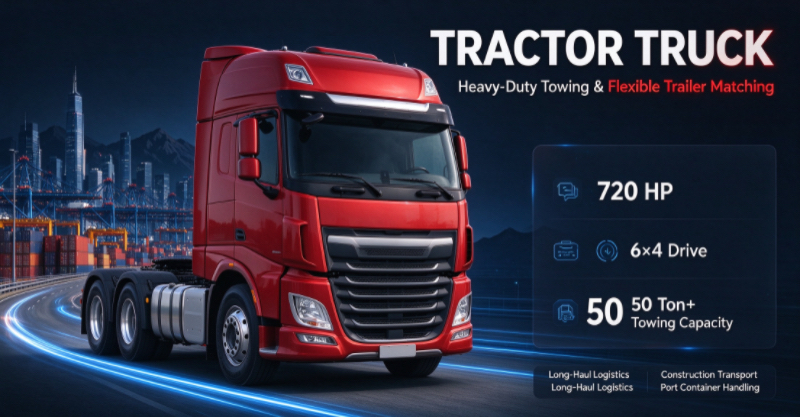
Table of Contents
Provide Powerful Towing Capacity for Heavy‑Load Transport
The core function of a tractor truck is to output stable, high torque to pull fully‑loaded semi‑trailers. Most heavy‑duty tractor heads adopt a 6×4 axle layout with high‑horsepower diesel engines, capable of towing total weights up to dozens of tons on highways, mountain roads, and complex terrain.
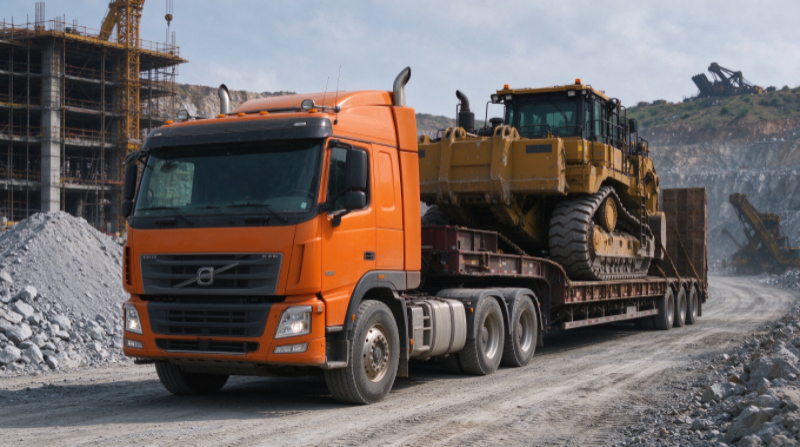
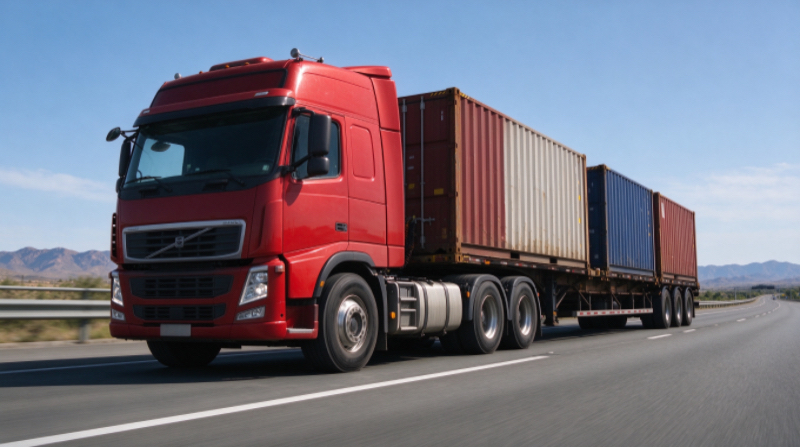
Whether you need to move fully loaded container trailers or heavy‑duty low‑bed trailers carrying construction machinery, the tractor truck offers continuous traction to finish long‑distance hauling tasks.
Enable Flexible Multi-Trailer Compatibility
One of the key advantages is its modular compatibility. One single tractor unit can quickly switch among different semi‑trailers without modifying the truck itself.
- Connect container semi‑trailers for port container turnover
- Match refrigerated trailers for cold‑chain perishable goods
- Hook up tanker trailers for liquid bulk cargo
- Work with flatbed trailers for oversized construction equipment
This feature helps fleet owners cut procurement costs. There is no need to purchase multiple specialized rigid trucks; just replace trailers according to actual business demands.
Support Long‑Haul & Cross‑Border Logistics Operations
Modern tractor trucks are designed for long-term continuous running. Many models are equipped with sleeper cabs, large‑capacity fuel tanks and reliable cooling systems to adapt to long‑distance highway and cross‑border transportation.
In global supply chains, tractor trucks connect seaports, warehouses and distribution centers. They ensure timely delivery of consumer goods, industrial raw materials and agricultural products across regions.
Serve Multiple Industrial Scenarios
Beyond common freight logistics, tractor trucks play key roles in many industries:
Construction industry: Tow lowboy trailers to transport excavators, cranes and prefabricated building materials to remote construction sites.
Mining & energy industry: Haul fuel tank trailers and mining equipment to mountainous mining zones with poor road conditions.
Agriculture sector: Pull bulk grain trailers to deliver crops from farms to processing factories.
Improve Fleet Operation Efficiency & Control Costs
Using tractor-trailer combinations brings obvious economic benefits for transport companies. Compared with single rigid trucks, tractor-trailer sets can improve cargo turnover efficiency by 30-50% on long-distance routes. Operators can flexibly replace different trailers according to cargo types, which cuts down fleet procurement investment by up to 25%. The modular design also lowers maintenance expenses and shortens vehicle downtime, helping transport businesses reduce overall operating costs and get a faster return on investment.
Robust chassis and proven powertrain components lower long‑term maintenance costs. For logistics enterprises, reasonable deployment of tractor trucks can effectively optimize the total operating expenditure of the whole fleet.
Conclusion: Main Functions of A Tractor Truck
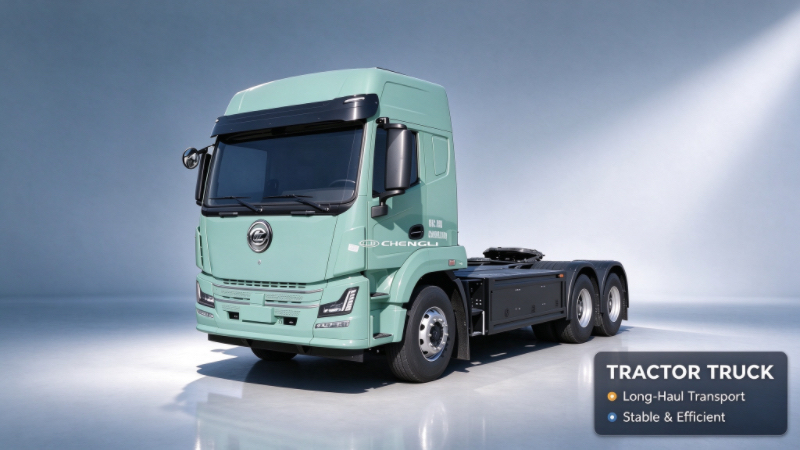
Tractor trucks are far more than simple power vehicles. Their strong towing performance, flexible trailer‑matching capability, and wide‑range industrial adaptability make them indispensable equipment for modern heavy‑duty road transport.
If you are looking for reliable customized tractor trucks for your local market, contact us today. Our professional team will recommend suitable models and offer detailed quotations according to your project requirements.
Frequently Asked Questions
What is the difference between a tractor truck and a rigid truck?
A tractor truck does not carry cargo by itself; it provides pulling power for detachable semi‑trailers via fifth‑wheel coupling. A rigid truck integrates the cargo box and chassis together, and it bears all cargo weight on its own frame.
What trailer types can work with a standard 6×4 tractor truck?
A standard 6×4 tractor head can pair with container semi‑trailers, reefer trailers, tank trailers, flat‑bed and low‑boy trailers. You need to confirm the fifth‑wheel height matches the trailer kingpin before coupling.
What are key points when buying export‑oriented tractor trucks?
Buyers should confirm axle configuration, horsepower, local emission standards (Euro 2‑Euro 6), left‑hand or right‑hand drive, and complete export certification documents before placing orders.
How often should we maintain a tractor truck?
General suggestion: perform routine maintenance every 10,000 km or 6 months (whichever comes first). Check engine oil, brake system, fifth‑wheel connection, and tire conditions for safe driving.
Conclusion
