

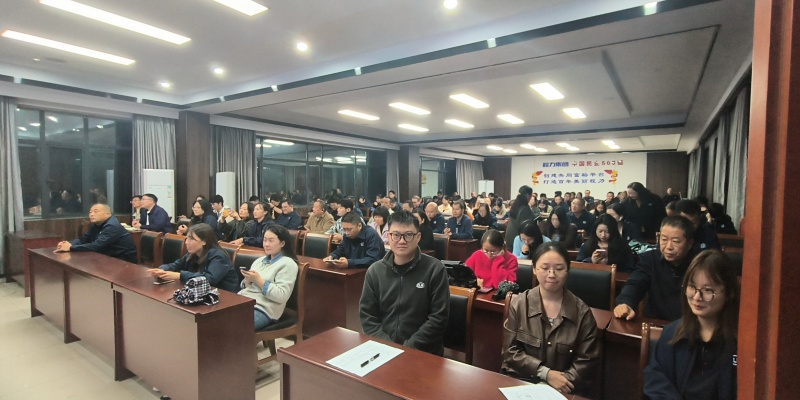
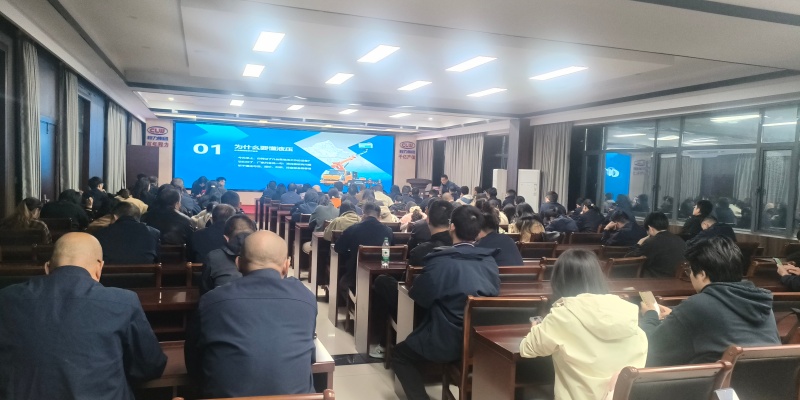
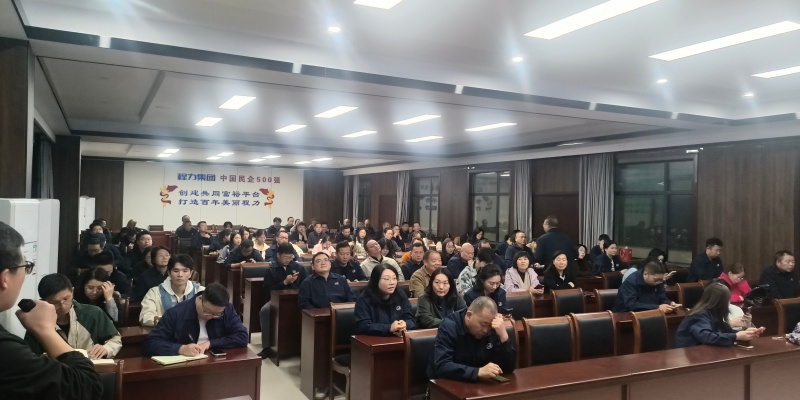
At CLW Group, continuous learning and professional development are important parts of our commitment to product quality and customer service. A specialized hydraulic and pneumatic transmission training was recently organized to further improve employees’professional knowledge and overall capabilities.
The training focused on the basic principles, key components, working processes, and practical applications of hydraulic and pneumatic systems. Through this learning activity, employees gained a better understanding of these important technologies and their role in commercial vehicles and special-purpose truck manufacturing.
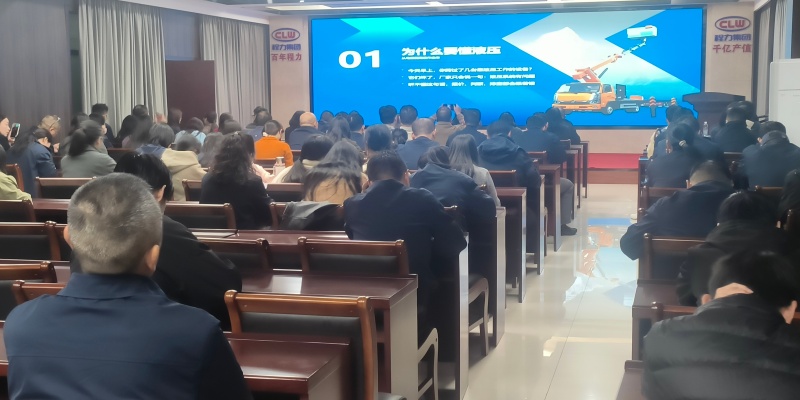
Table of Contents
Hydraulic and Pneumatic Transmission Training: Stronger Technical Foundation
Hydraulic and pneumatic transmission systems are widely used in the special-purpose vehicle industry. Understanding how these systems work helps employees develop a stronger technical foundation and better understand the functions of different vehicle configurations.
During the Hydraulic and Pneumatic Transmission training, participants studied the basic principles of hydraulic transmission, including how hydraulic pumps generate pressure, hydraulic cylinders convert hydraulic energy into mechanical movement, and control valves regulate the direction and flow of hydraulic oil.
Hydraulic and Pneumatic Transmission work together to power many vehicle-mounted mechanisms. For example, hydraulic systems are commonly used in tow trucks for lifting and recovery operations, in garbage trucks for lifting and compacting waste, and in aerial work platforms for boom extension and lifting functions. They are also essential to the operation of hook-lift trucks, cranes, and other special-purpose vehicles.
The training also covered the fundamentals of Hydraulic and Pneumatic Transmission. Unlike hydraulic systems, which typically use pressurized liquid, pneumatic systems use compressed air to transmit energy. Pneumatic technology is widely applied in commercial vehicle braking systems and other air-operated mechanisms.
By learning the characteristics and applications of both technologies, employees can better understand their differences, functional advantages, and suitability for different operating requirements.
Connecting Technical Knowledge with Special-Purpose Vehicle Applications
For special-purpose vehicles, the performance of the chassis is only one part of the overall solution. The working equipment, hydraulic or pneumatic components, control systems, and vehicle configuration must also work together to meet the intended application.
For example, a tow truck requires a suitable hydraulic system to operate its lifting equipment and winch-related mechanisms. A garbage compactor relies on hydraulic power to operate its loading and compression mechanisms. A combination sewer cleaning truck may also use specialized power transmission and control arrangements to support its cleaning and suction functions.
Understanding Hydraulic and Pneumatic Transmission operating principles helps employees become more familiar with vehicle structures and equipment configurations. It also provides a useful technical foundation when reviewing product specifications, discussing vehicle functions, and communicating with customers about their intended applications.
For international customers, selecting the right special-purpose vehicle involves more than choosing a vehicle model. Factors such as working conditions, load requirements, operating frequency, maintenance capabilities, and local technical requirements can all influence the final configuration.
A stronger understanding of vehicle systems helps our team communicate these considerations more clearly and coordinate more effectively when addressing customer inquiries.
Improving Cross-Department Communication and Customer Support
Special-purpose vehicle projects often involve coordination among sales, engineering, production, procurement, and quality control teams. Each department contributes to different stages of the process, from understanding customer requirements and confirming technical specifications to manufacturing, inspection, and delivery.
Technical training, including hydraulic and pneumatic transmission training, helps establish a shared understanding of key vehicle components and operating principles. This knowledge can support clearer communication between departments and help employees identify the right questions when discussing product configurations or technical requirements.
For the international sales team, a better understanding of Hydraulic and Pneumatic Transmission is particularly valuable when explaining vehicle functions to overseas buyers. It can help the team communicate more accurately about equipment operation, configuration options, and the technical factors that should be considered before an order is confirmed.
Although specialized technical questions may require further evaluation by engineers, a solid technical foundation helps employees recognize customer needs and coordinate with the appropriate departments more efficiently.
Supporting Product Quality and Continuous Improvement
Product quality depends on multiple factors, including component selection, manufacturing processes, assembly quality, system integration, and inspection procedures. Professional knowledge helps employees better understand how individual components contribute to the performance of a complete vehicle.
At CLW Group, employee development is part of our broader approach to continuous improvement. By organizing technical training and encouraging knowledge sharing, the company aims to strengthen employees’ understanding of special-purpose vehicles and support more effective cooperation across different business functions.
Continuous learning is especially important in an industry where vehicle technologies, customer requirements, and international market expectations continue to evolve. Maintaining a strong technical foundation helps our team adapt to different project requirements and provide more informed support throughout the customer communication process.
Committed to Continuous Learning and Professional Growth
This hydraulic and pneumatic transmission training represents another step in CLW Group’s ongoing efforts to support employee development and improve professional capabilities.
CLW Group will continue to encourage technical learning, practical knowledge sharing, and professional development across the organization. By strengthening our team’s understanding of vehicle technologies and applications, we aim to improve internal collaboration and provide reliable, application-oriented support to customers worldwide.
Through continuous learning and improvement, CLW Group remains committed to serving the special-purpose vehicle market with professional communication, suitable vehicle solutions, and a customer-focused approach.
Looking for reliable commercial vehicles and professional customized solutions? Contact CLW today to discuss your requirements with our team and get a tailored vehicle solution for your business.
