

Cold chain operators often face the same bottleneck. The truck returns from a morning run, but energy replenishment takes longer than the available break. By the time the vehicle is ready, the next delivery window is already under pressure.
A hydrogen powered refrigerated truck can help solve this when a compatible station fits the route and schedule. This article explains where the time is lost, how hydrogen power addresses it, and what buyers should verify before choosing a vehicle.
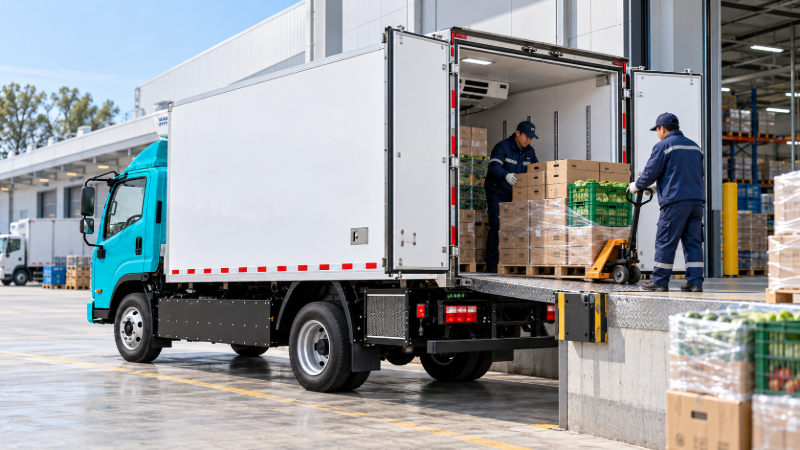
Table of Contents
Why Energy Stops Can Disrupt Delivery Schedules
Cold chain operators manage delivery time and cargo temperature together. A late departure affects later customer stops and reduces the time available for the next loading cycle.
Three common pressure points are:
- Short breaks between routes: Loading, inspections, driver breaks, and energy replenishment compete for the same time.
- Cooling demand: Refrigeration needs energy during transport and, where required, during unloading and waiting.
- Station travel: Reaching the station, queuing, filling, and returning all consume working time.
In urban cold chain delivery, frequent stops and changing traffic conditions leave little room for an unexpected energy stop.
Start by identifying the actual bottleneck. If loading delays cause missed departures, changing the power system alone will not solve the problem. If energy replenishment repeatedly exceeds the available break, refueling arrangements deserve closer attention.
How a Hydrogen Powered Refrigerated Truck Can Help?
A fuel cell vehicle stores hydrogen onboard. The fuel cell uses hydrogen and oxygen to generate electricity, and an electric motor drives the truck.
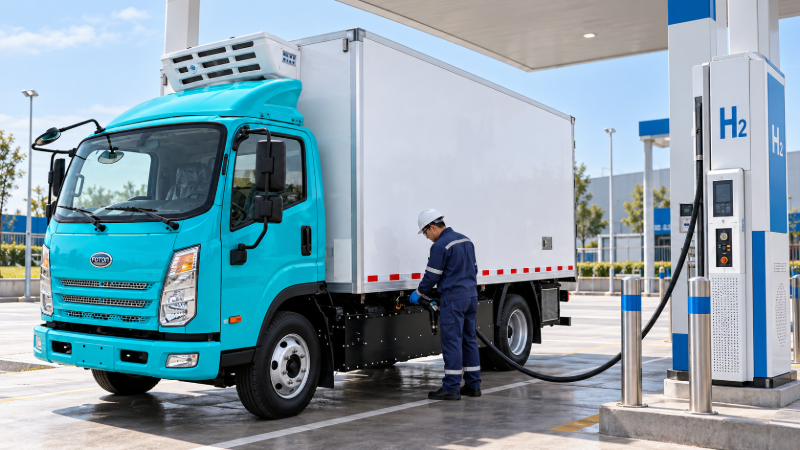
The operational value lies in fitting energy replenishment into shorter breaks. With suitable facilities nearby, hydrogen truck refueling becomes a scheduled task between routes.
The benefits to assess include:
- More time for deliveries: A shorter total energy stop leaves more of the working day available for transport.
- Better shift continuity: Daytime refueling prepares the truck for another operating period.
- Clearer dispatch planning: Regular station visits give the team an established replenishment routine.
Fuel cell propulsion also produces no tailpipe carbon dioxide emissions. The wider environmental impact includes how hydrogen is produced and delivered.
When station access is reliable, a short refueling window frees up more of the working day for actual deliveries. CLW’s 4.5-ton hydrogen fuel cell refrigerated truck is designed for this urban and regional multi-shift pattern.
Which Delivery Operations Are A Good Fit?
The strongest candidates have regular routes, short depot breaks, and dependable access to compatible stations.
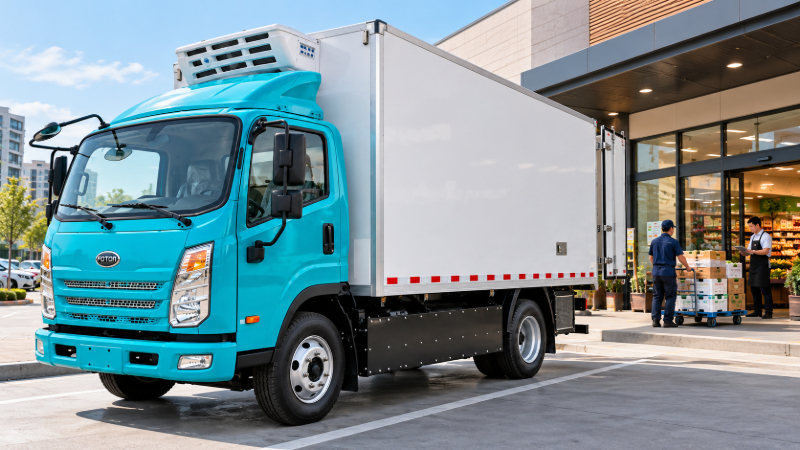
- Supermarket distribution: Repeated trips from one warehouse, fixed receiving windows, and scheduled returns for loading.
- Fresh food and catering supply: Early starts, multiple customer stops, and further deliveries later in the day.
- Regional distribution: Established journeys between a depot and nearby towns, with known distances and predictable loading periods.
These patterns make energy needs easier to measure. They also provide clear opportunities to schedule replenishment.
For urban cold chain delivery fleets, compare the station visit with existing breaks. Vehicles parked overnight for many hours have different replenishment options from those working across several shifts. Choose around the working day, not the fuel type alone.
5 Checks Before Choosing a Hydrogen Vehicle
Check the station before selecting the truck. A location shown on a map does not confirm that it serves the proposed vehicle.
Verify:
- Filling requirements: Pressure, connection, and fueling protocol match the vehicle.
- Location and access: The truck reaches and enters the site without a difficult detour.
- Opening hours: Service covers the planned delivery shifts.
- Supply and backup: An alternative arrangement covers maintenance or supply interruptions.
Speak with the station operator about regular commercial vehicle use. Confirm any booking requirements and restrictions before building the station into your dispatch plan.
2. Measure the Complete Refueling Stop
Evaluate hydrogen truck refueling using the complete visit.
Include:
- Travel from the depot or delivery route.
- Expected queuing time.
- Preparation and filling.
- Travel back to the next task.
Compare the total with the available break. Loading, checks, and driver rest still need their own time. Identify which tasks happen sequentially and which are completed during the same depot visit.
Ask for filling information for the specific truck and station. Where practical, observe the site during your intended operating hours. A short filling time is valuable only when the complete stop fits the schedule.
3. Verify Range with Payload and Refrigeration Running
Request range information that reflects the intended job. Empty-vehicle testing in mild weather does not represent a loaded refrigerated delivery route.
Provide the supplier with:
- Typical cargo weight and daily distance.
- Road gradients, traffic, and operating speed.
- Expected outdoor temperatures.
- Cooling settings and refrigeration hours.
Use a representative route trial where available. Record energy use with a realistic load and the cooling system operating as required.
Keep a reserve for diversions, traffic, and extra stops. This reduces the risk of an unplanned station visit and helps control cold chain delivery downtime.
4. Match Cooling Performance and Payload to the Cargo
The refrigerated body must suit the goods and delivery pattern. A direct warehouse transfer creates different demands from repeated small deliveries.
Confirm:
- Target temperature: The required transport conditions.
- Cooling capacity: Performance in the expected weather.
- Parked cooling: Power supply during stationary operation.
- Door openings: Temperature recovery during frequent deliveries.
- Cargo capacity: Usable body volume and rated payload.
Confirm the refrigeration unit’s power supply separately from the propulsion system. Do not assume that a hydrogen-powered chassis automatically explains how the cooling equipment operates.
Also distinguish gross vehicle weight from payload. A 4.5-ton vehicle class does not mean the truck carries 4.5 tons of goods.
5. Review Costs and Service Support
Compare operating costs alongside vehicle availability. Include hydrogen consumption, local fuel prices, station travel, scheduled maintenance, and refrigeration servicing.
Ask:
- Where will repairs be completed?
- Are trained technicians available locally?
- How are replacement parts supplied?
- Who supports the fuel cell and cooling systems?
Use the same routes, loads, and schedules when comparing vehicle options. This shows whether faster replenishment delivers a useful improvement after travel, maintenance, and support are considered.
Test the Schedule Before Making a Purchase
Turn the checks above into a simple operating plan:
- Record current operations. Note actual return times, loading periods, departures, and route distances.
- Add the station visit. Include travel, waiting, filling, and the return journey.
- Check the next run. Allow enough energy for the payload, cooling, and a practical reserve.
- Resolve conflicts. Adjust refueling time or dispatch arrangements where tasks overlap.
This connects hydrogen truck refueling with a clear decision: will the vehicle be ready for its next departure? truck refueling with the practical question that matters: will the vehicle be ready for its next departure?
A 4.5-Ton Option for Urban Cold Chain Delivery
CLW offers a 4.5-ton hydrogen fuel cell refrigerated truck designed for urban and regional cold chain distribution. It combines fuel cell propulsion with an insulated body and refrigeration system suitable for fresh food, dairy, supermarket supply, and catering routes.
Before ordering, confirm the final specifications:
- Rated payload and body dimensions: Match the vehicle to the weight and volume of your shipments.
- Cooling performance: Check the required cargo temperature and delivery conditions.
- Hydrogen storage capacity: Review energy needs for each route and the planned reserve.
- Station compatibility: Confirm that local infrastructure supports the vehicle.
Next step: Request the full specifications and a route-matching assessment. Share your delivery details with CLW to check whether this vehicle fits your daily schedule with sufficient energy reserve.
Review the hydrogen powered refrigerated truck against your daily workload before ordering.
Conclusion
A hydrogen powered refrigerated truck can reduce cold chain delivery downtime when the refueling station fits the actual route and working schedule. The real benefit comes from the complete operation: station travel, loading time, refrigeration demand, and service support.
Start by mapping your current return times, loading windows, and route distances. Then test whether a hydrogen vehicle meets the next departure with a practical energy reserve.
To put that assessment into practice, contact CLW with your operating country, daily distance, delivery schedule, required payload, and cargo temperature. Our team can help you review a suitable configuration for your cold chain application.
FAQ about Hydrogen Powered Refrigerated Truck
1. Can a hydrogen powered refrigerated truck reduce delivery downtime?
Yes, it may shorten energy stops when a compatible hydrogen station is nearby. Actual time savings depend on travel, waiting, and refueling time.
2. How long does hydrogen truck refueling take?
Filling time varies by vehicle and station. Confirm the expected time with both the vehicle supplier and station operator.
3. Can the refrigeration unit run while parked?
This depends on its power supply and configuration. Confirm that cooling can continue during delivery stops and loading.
4. Is hydrogen suitable for urban cold chain delivery?
It may suit regular routes with multiple daily runs and short breaks, provided reliable refueling and service support are available.
