

Refrigerated truck import to Peru involves more than choosing a vehicle and arranging shipping. Importers also need to check vehicle homologation, customs documentation, and the requirements for refrigerated food transport. If these issues are overlooked, the truck may face delays during customs clearance or vehicle registration.
The key is to check compliance before production and shipment.
This guide explains the main certification and documentation issues for importing refrigerated trucks into Peru. It also shows how to coordinate vehicle homologation, customs documents, and refrigerated body requirements. With early planning, importers can reduce unexpected delays and choose a truck that fits their project from the beginning.
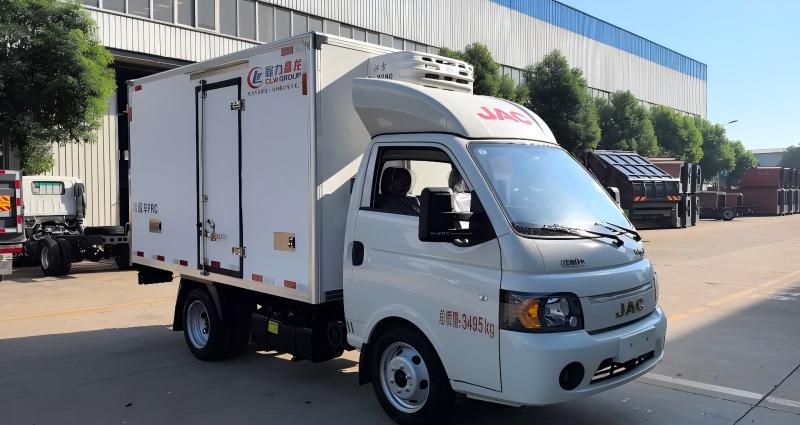
Table of Contents
Refrigerated Truck Import to Peru: Does Your Vehicle Need Homologation?
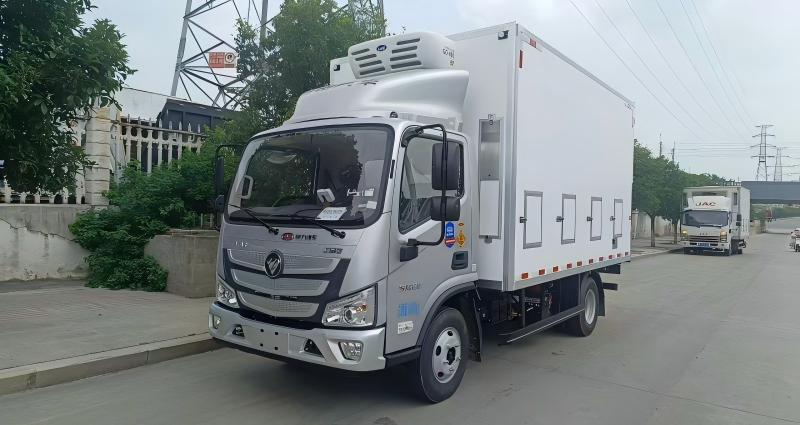
What Is Vehicle Homologation?
Vehicle homologation confirms that a vehicle model meets the applicable technical requirements for use in Peru.
For imported new vehicles, the importer should check the homologation status before shipment. Peru’s vehicle regulations use a Vehicle Homologation Registration Number for approved vehicle models.
The exact requirements can depend on:
- Vehicle category
- Chassis model
- Engine type
- Gross vehicle weight
- Number of axles
- Vehicle configuration
- Intended use
- Applicable technical standards
Why Check Homologation Before Shipping?
A truck may meet the manufacturer’s specifications but still need additional verification for the Peruvian market.
If the importer checks too late, possible problems include:
- Customs clearance delays
- Additional document requests
- Registration difficulties
- Extra inspection costs
- Delays in putting the truck into operation
Best practice: Confirm the vehicle’s compliance before placing the final production order.
Refrigerated Truck Import Requirements: Check the Complete Vehicle
Chassis and Refrigerated Body Must Match
A refrigerated truck is not only a chassis.
The final vehicle includes:
- Chassis
- Engine
- Cab
- Refrigerated body
- Refrigeration unit
- Axles
- Suspension
- Braking system
- Electrical system
The importer should confirm whether the selected configuration is compatible with the applicable Peruvian requirements.
Key Vehicle Data to Confirm
Prepare the following information:
- Manufacturer
- Vehicle model
- Chassis model
- VIN
- Engine model
- Engine power
- Emission standard
- GVW
- Curb weight
- Payload
- Wheelbase
- Axle configuration
- Overall dimensions
- Tire specifications
Keep these specifications consistent across the technical documents and commercial documents.
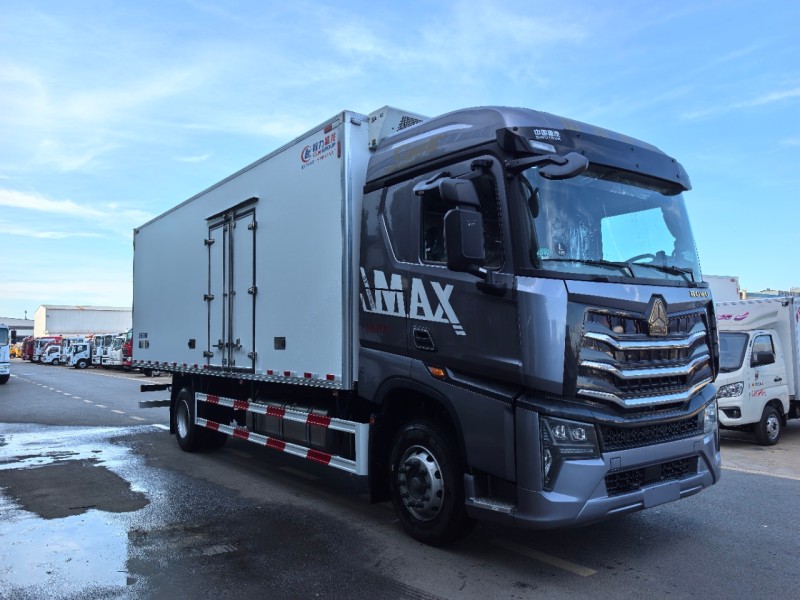
Documents Needed for Refrigerated Truck Import to Peru
The importer normally needs a complete document package for customs clearance.
Depending on the specific import operation, documents may include:
- Commercial Invoice
- Packing List
- Bill of Lading
- Vehicle technical specifications
- VIN information
- Chassis specifications
- Engine information
- Homologation-related documents
- Conformity documents, where applicable
- Refrigerated body specifications
- Refrigeration unit specifications
SUNAT requires vehicle identification and applicable homologation information as part of the import process for new vehicles. The importer should also ensure that the imported vehicle matches the approved vehicle configuration.
How to Avoid Document Discrepancies?
One common problem is inconsistent information.
For example:
Invoice: 4×2 refrigerated truck
Technical sheet: 6×2 truck
Chassis document: Different model
Even a small discrepancy can trigger additional checks.
Before shipment, compare:
- VIN
- Model
- Chassis number
- Engine number
- GVW
- Dimensions
- Axle configuration
- Refrigeration unit model
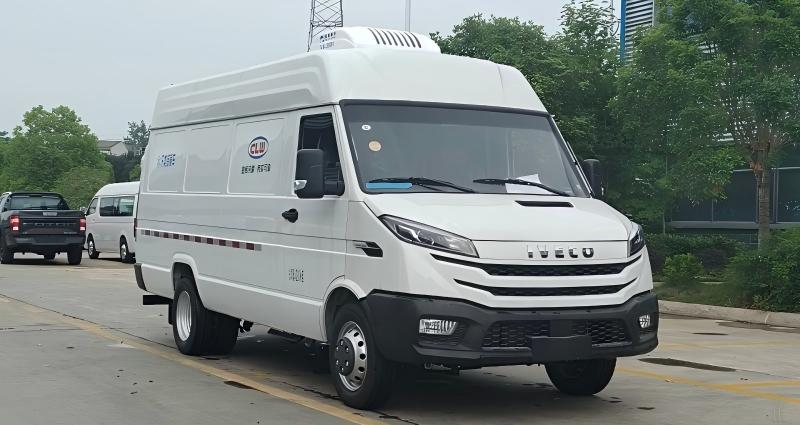
Is the Refrigerated Body Also Part of Compliance?
Yes. The refrigerated body should be considered during the compliance planning process.
However, it is important to separate vehicle requirements from food transport requirements.
1. Vehicle Compliance
Vehicle-related requirements can cover:
- Vehicle identification
- Safety systems
- Weight
- Dimensions
- Emissions
- Chassis configuration
- Homologation
2. Food Transport Requirements
Food transport focuses more on cargo protection and hygiene.
The refrigerated compartment should help prevent:
- Temperature abuse
- Food contamination
- Moisture problems
- Contact with unsuitable materials
- Product deterioration
Peruvian sanitary requirements state that food transportation should protect food from contamination and environmental conditions that may cause deterioration.
This means a vehicle can be technically compliant while the operator still needs to meet separate requirements for transporting specific food products.
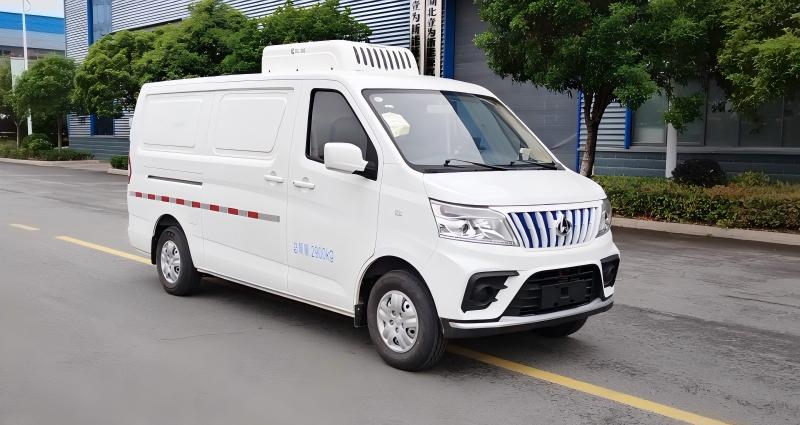
3. Different Cargo Needs Different Temperatures
Before choosing the refrigeration unit, confirm what the truck will transport.
Typical cargo includes:
- Fresh meat
- Frozen meat
- Seafood
- Dairy products
- Fruits and vegetables
- Frozen food
- Pharmaceutical products
Each application may require a different temperature range.
4. Check These Refrigeration Specifications
The buyer should confirm:
- Required cargo temperature
- Refrigeration capacity
- Body volume
- Insulation thickness
- Insulation material
- Door sealing
- Floor design
- Air circulation
- Temperature monitoring
A refrigeration unit that is too small may struggle to maintain the target temperature.
An oversized system can increase equipment and operating costs.
The right solution should match the cargo + body volume + temperature range + operating conditions.
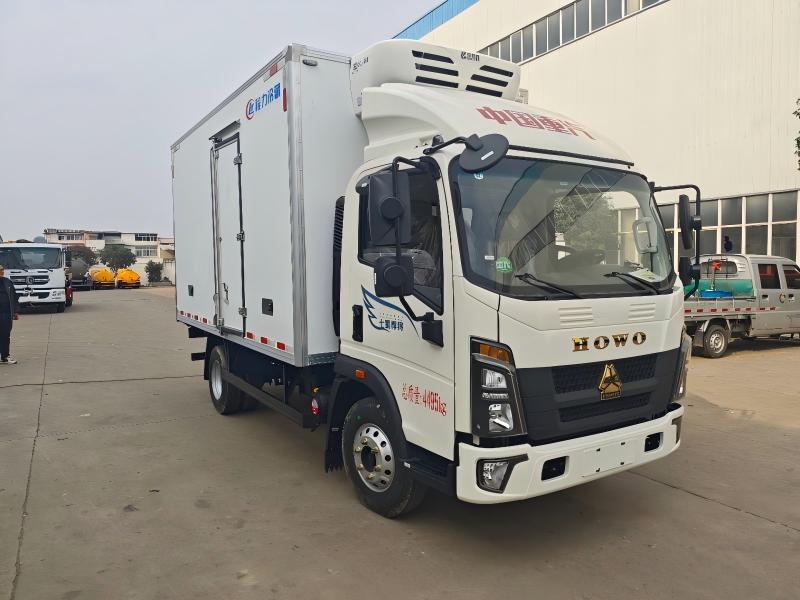
5 Common Problems When Importing Refrigerated Trucks to Peru
Problem 1: Checking Certification Too Late
Risk: The refrigerated truck has already been produced or shipped.
Solution: Confirm homologation and import requirements before production.
Problem 2: Incorrect Vehicle Data
Risk: Technical documents do not match the actual vehicle.
Solution: Create one master specification sheet and use it across all documents.
Problem 3: Ignoring the Refrigerated Body
Risk: The chassis meets requirements, but the final refrigerated vehicle does not match the intended application.
Solution: Review chassis, body, and refrigeration specifications as one complete vehicle.
Problem 4: Choosing the Refrigeration Unit Only by Body Size
Risk: The refrigeration system cannot maintain the required cargo temperature under actual operating conditions.
Solution: Consider cargo type, target temperature, insulation, ambient conditions, and door-opening frequency.
Problem 5: Assuming Vehicle Homologation Covers Food Transport
Risk: The importer overlooks separate sanitary requirements.
Solution: Check both vehicle compliance and food transportation requirements.
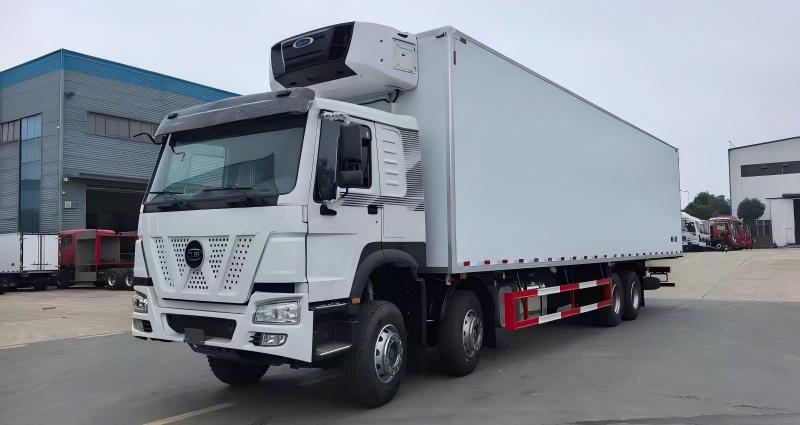
Step-by-Step Guide to Refrigerated Truck Import to Peru
Follow these steps to reduce avoidable problems before shipment.
Step 1: Define the application
Confirm the cargo type, target temperature, body volume, daily mileage, and operating area.
Step 2: Select the vehicle configuration
Choose the chassis, engine, GVW, payload, axle arrangement, body dimensions, and refrigeration unit.
Step 3: Verify Peruvian requirements
Work with the importer and customs broker to check homologation, import documentation, registration, and applicable sanitary requirements.
Step 4: Prepare the technical file
Collect vehicle specifications, VIN information, chassis documents, and refrigeration system data.
Step 5: Review the finished vehicle
Check that the actual vehicle matches the confirmed specifications and supporting documents.
Step 6: Confirm documents before shipment
Obtain confirmation from the importer or customs broker that the documentation required for the specific transaction is ready.
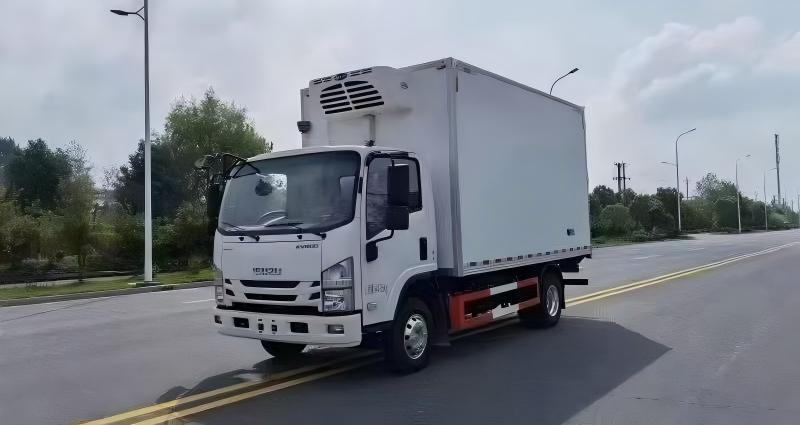
Refrigerated Truck Import to Peru: Pre-Shipment Checklist
| Item | What to Check |
| Vehicle model | Confirm the correct model and configuration |
| VIN | Match the actual vehicle and documents |
| Homologation | Confirm applicable homologation requirements |
| Chassis | Verify model, axles and specifications |
| Engine | Verify power and emission information |
| GVW | Match technical and customs documents |
| Dimensions | Confirm actual vehicle dimensions |
| Refrigerated body | Check structure and insulation |
| Refrigeration unit | Match capacity to cargo requirements |
| Technical documents | Ensure complete and consistent information |
| Food transport | Check applicable sanitary requirements |
| Customs documents | Confirm requirements with the importer/broker |
What’s Next?
Refrigerated truck import to Peru does not have to be complicated. The biggest risk usually comes from checking compliance too late or using inconsistent vehicle information.
Start with the complete vehicle configuration. Then check homologation, customs documentation, refrigerated body specifications, and food transport requirements.
The importer, exporter, and local customs professionals should confirm the applicable requirements before production. This approach helps avoid unnecessary changes after the truck has been built.
A well-prepared technical file also makes communication easier and reduces the risk of clearance or registration delays.
Planning to import a refrigerated truck from China to Peru? Contact us for a customized vehicle specification and pre-shipment document checklist.
